Recycling and Sustainability at Gardeners Norbiton
 Gardeners Norbiton places sustainability at the centre of every outdoor project, from routine maintenance to full garden transformations. Our approach to recycling in Norbiton is designed to reduce waste, support local green initiatives, and make sure reusable materials are handled responsibly. We aim to keep a minimum recycling percentage target of 85% across suitable green waste and project-related materials, helping to divert organic matter, packaging, and salvageable components away from landfill. That means a stronger focus on sorting, reuse, and recovery at every stage of our work.
In practice, our team looks carefully at what can be separated on site before it ever leaves the garden. Grass cuttings, hedge trimmings, leaves, branches, and soil can often be handled through dedicated green waste streams, while timber offcuts, pots, compost sacks, and metal fixings may be set aside for reuse or specialist processing. We also keep an eye on the local boroughs’ approach to waste separation, which increasingly encourages residents and contractors to sort recyclable materials more precisely. This fits well with our own garden recycling habits, especially where mixed waste can be avoided by planning collections properly.
 A sustainable garden service is not just about plant care; it is also about how materials move through the system. Gardeners Norbiton works with local transfer stations and sorting facilities where reusable waste can be assessed, consolidated, and sent for the most appropriate treatment. These local transfer stations play an important role in handling bulky green waste, broken planters, old edging, and surplus soil while reducing unnecessary trips and streamlining disposal. By using nearby facilities whenever practical, we help lower transport distances and improve the efficiency of garden waste recycling in Norbiton.
We also believe in circular thinking, particularly when a project creates items that still have value after removal. Salvageable stone, timber, trellis sections, and some decorative features may be directed toward reuse rather than disposal. Where possible, we support partnerships with charities and community organisations that can give a second life to usable materials. This may include passing on clean pots, garden furniture components, tools, or durable landscaping pieces that local groups can repurpose. Such partnerships help extend the life of materials and reinforce a more responsible model for Gardeners Norbiton sustainability.
The environmental benefits go beyond recycling alone. We choose low-carbon vans for everyday travel and collections, helping to cut emissions linked to site visits and waste transport. These vehicles are selected to reduce fuel use while still supporting the practical demands of professional gardening work. When combined with route planning and sensible load management, they help limit the carbon footprint of each job. For a service built around outdoor care, this is an important part of keeping our operations aligned with modern eco standards.
 Another area of focus is the handling of plant-based waste, which is often one of the largest volumes generated during garden work. In Norbiton and the surrounding boroughs, household and commercial waste systems increasingly encourage clearer separation of food waste, dry recyclables, and garden material. We mirror that thinking by separating organic waste from non-organic items wherever possible, making it easier for processing facilities to compost or mulch suitable loads. This attention to separation supports better outcomes for both the environment and local waste infrastructure.
Gardeners Norbiton also considers procurement and on-site practice as part of its wider recycling and sustainability strategy. We aim to reduce single-use items, choose refillable or recyclable materials where suitable, and avoid unnecessary packaging wherever feasible. Where products must be delivered, we look for suppliers with stronger environmental credentials and practical take-back options for containers or bulk materials. This approach helps make eco-friendly gardening in Norbiton more than a slogan; it becomes a consistent way of working.
For gardens that need seasonal clearance, our process is especially careful about what gets separated. Leaves and soft prunings may be turned into mulch or compost feedstock, while woody waste is directed to suitable facilities that can chip and process it efficiently. Soil from excavations can sometimes be screened and reused on other projects if it is clean and appropriate, reducing the need for virgin material. By treating waste as a resource, Gardeners Norbiton helps turn maintenance work into a more sustainable cycle.
 This commitment extends to local compliance and practical responsibility. Different boroughs may handle recycling collections in slightly different ways, so we keep our sorting methods adaptable, especially where there are separate streams for green waste, general waste, and recyclable household materials. Such awareness helps ensure our work aligns with local expectations and reduces contamination risks. It is a small detail, but it makes a meaningful difference when aiming for a reliable garden waste recycling standard.
The result is a greener service model that supports the landscape as well as the wider community. By combining a strong recycling percentage target, use of local transfer stations, partnerships with charities, and low-carbon vans, Gardeners Norbiton delivers a practical sustainability framework that suits the needs of modern garden care. Our aim is simple: to keep useful materials in circulation, reduce emissions, and make every stage of outdoor work more resource-conscious.
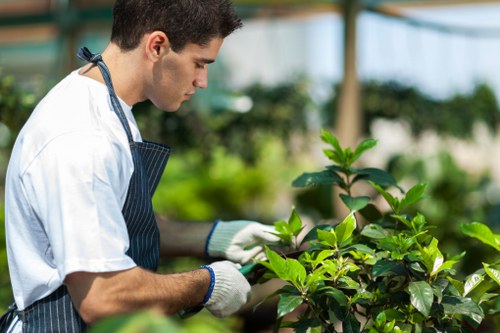 For customers and projects across the area, this means a gardening service that values efficiency, responsibility, and long-term environmental benefit. From careful waste separation to reuse-focused handling and lower-emission travel, recycling at Gardeners Norbiton is built into the way we work. It is a straightforward, dependable approach that supports both beautiful gardens and a healthier local environment.